




The Australian tourism industry is witnessing a historic resurgence, creating unprecedented opportunities and complex challenges for the nation's small and medium-sized businesses. With international visitor spending forecast to hit a record $39 billion in 2025, the sector is a powerhouse of economic growth. For local operators—from boutique tour guides to regional accommodation providers—this boom is a double-edged sword. While demand surges, pressures from rising costs, shifting traveler expectations, and intense competition demand strategic adaptation. This article explores the current landscape, key trends, and practical insights for small tourism businesses aiming to thrive in Australia's revitalized visitor economy.
- Economic Contribution: Travel & Tourism set to inject $314.4BN into the national economy (11.4% of GDP).
- International Visitors: 7.8 million trips in the year to June 2025, with spend in Australia reaching $37.5 billion.
- Key Growth Markets: Arrivals from China ( 15.4%) and the UK ( 12.4%) showing standout annual growth.
- Small Business Context: Sector supports 1.7 million jobs nationally, a significant portion within small enterprises.
The State of the Market: Record Growth and New Challenges
Australia's tourism sector has not only recovered from the pandemic but has surged to new heights. According to the World Travel & Tourism Council (WTTC), the sector is forecast to contribute $314.4 billion to the national economy in 2025, a figure almost one-third above pre-pandemic levels. This growth is fueled by a powerful combination of strong international demand and a robust domestic travel market.
Data from the Australian Trade and Investment Commission (Austrade) underscores this strength: international visitors spent $8.5 billion in the June quarter of 2025 alone, a remarkable 32% increase compared to the same period in 2024. Holiday travel remains the primary driver, with 3.3 million trips and $13.0 billion in associated spend.
However, this booming market presents distinct challenges for resource-limited small businesses. As highlighted in reports from small businesses in Australia, operators face a perfect storm of supply chain issues, staffing shortages, and rising operational costs. For tourism businesses, this is compounded by the need to invest in digital capabilities and unique experience design to meet evolving traveler expectations.
Regional Spotlight: Benefits and Pressures
The recovery is spreading beyond major gateway cities. Tourism Australia's major "Australia Next" incentive showcase, recently held in Melbourne, included familiarization trips for international planners to destinations like Cairns, Hobart, and regional Victoria. This strategic push is designed to disperse the economic benefits of tourism nationwide. However, regional businesses often grapple with infrastructure limitations and seasonal volatility. News reports cite instances where businesses in tourist towns struggle with basic services or are wiped out by external disruptions like roadworks, highlighting their vulnerability despite increased visitor interest.
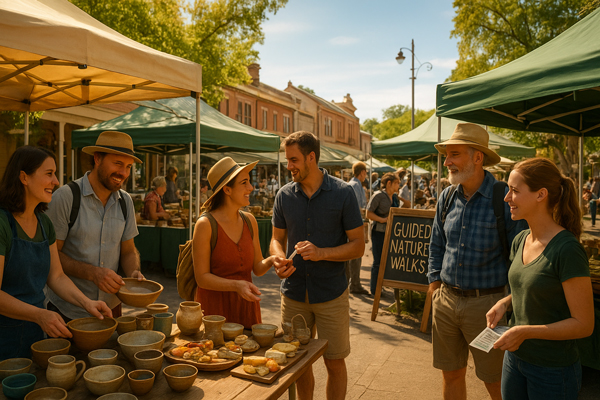 |
Tourism Australia's industry briefings provide crucial market updates and networking opportunities for local operators. Attending such events is key for small businesses to stay competitive.
Key Trends Shaping Opportunities for SMEs
Success for small tourism businesses hinges on understanding and adapting to powerful consumer and industry shifts.
1. The Experience Economy Takes Center Stage
The modern traveler prioritizes immersive, unique experiences over passive sightseeing. As noted in market analyses, there is significant traction for "experience-driven and wellness tourism", including eco-travel, Indigenous cultural experiences, and adventure activities. For SMEs, this trend is an opportunity to leverage local knowledge and authenticity. A small family-run operator can offer a guided foraging tour or a workshop with a local artisan in ways that large corporations cannot easily replicate. The shift demands that businesses curate memorable, shareable moments that connect visitors deeply with a place.
2. The Strategic Return of Business Events
The business events sector is a high-value pipeline. Tourism Australia's "Australia Next" showcase in Melbourne, which hosted 95 international event planners, is a direct effort to secure more of this lucrative market. Corporate travel has also returned "in force," with Australian outbound business travel up 12.4% in the first half of 2025. For small businesses, this means potential contracts to cater for conference groups, provide team-building activities, or offer exclusive after-hours tours for delegates. Tapping into this segment requires building relationships with local convention bureaus and event planners.
3. The Dual Dynamics of International Visitation
Source markets are recovering at different paces, requiring nuanced strategies. While arrivals from China and the UK are growing strongly, the U.S. market presents a "mixed bag". High airfares are making long-haul travel less appealing for some, but Australia remains a desirable destination for Americans. For small businesses, this underscores the importance of diversifying target markets and utilizing the resources provided by Tourism Australia to understand specific visitor preferences from different regions. Furthermore, the weak Australian dollar, while a challenge for outbound operators, makes Australia a more attractive and value-for-money destination for inbound tourists.
Actionable Strategies for Small Tourism Businesses
Navigating this complex environment requires proactive strategy. Here are key areas for small business focus:
Leverage Industry Support and Digital Tools
Engaging with industry bodies is critical. Tourism Australia hosts free Industry Briefings in major cities, providing direct access to market insights and marketing updates. Furthermore, embracing digitalization is non-negotiable. Online booking platforms and social media are essential for discovery and sales. Investing in a seamless digital booking experience and a strong content-driven social media presence can level the playing field with larger competitors.
Emphasize Sustainability and Authenticity
Sustainability is no longer a niche concern but a mainstream demand. Travelers are increasingly conscious of their environmental and social impact. Small businesses can lead here by implementing genuine sustainable practices—minimizing waste, supporting local conservation, and engaging respectfully with Indigenous communities. Authentic storytelling about these efforts can become a powerful marketing tool and align with the global trend toward regenerative travel.
Forge Collaborative Partnerships
Collaboration is a powerful strategy for small businesses. Forming partnerships with other local operators—such as between a winery, a cycling tour company, and a boutique hotel—to create packaged experiences can attract visitors seeking a curated, multi-day regional adventure. These partnerships enhance customer value and facilitate cross-promotion, helping entire destinations become more compelling. For the latest developments and partnership ideas, staying informed through sources like daily Australia news is advisable.
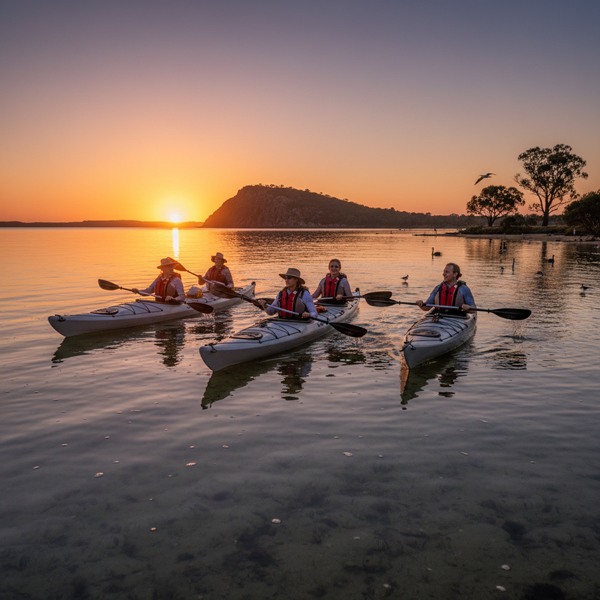 |
Small group, experience-based tours, such as this kayak excursion, exemplify the high-demand, sustainable, and authentic offerings that small tourism businesses are uniquely positioned to provide.
Conclusion: Building a Resilient Future
The Australian tourism market is in a period of extraordinary growth, offering a golden opportunity for small businesses that are agile, strategic, and customer-centric. While challenges like cost management and competition are real, the trends favor operators who can deliver authentic, sustainable, and memorable experiences. By leveraging industry support, embracing digital transformation, and forging smart collaborations, small tourism businesses can not only survive but thrive. They are, in many ways, the heart of the Australian visitor experience—transforming statistics into stories and ensuring that the record-breaking economic contribution of tourism enriches communities across the nation.