The History of Event Photography
The roots of event photography go back to the early days of photography in the 19th century. At that time, photography was expensive and technically complex, so only major social occasions such as royal ceremonies, political gatherings, and formal portraits were documented. Early photographers worked with large cameras, long exposure times, and limited mobility, which made spontaneous event coverage nearly impossible.
The introduction of portable cameras and faster film in the early 20th century changed everything. Photojournalists began documenting public events, parades, sports competitions, and social gatherings. Weddings became one of the first commercial niches for event photographers. Families started hiring professionals to preserve important life milestones, creating a steady market that still exists today.
The digital revolution in the late 1990s and early 2000s marked another turning point. Digital cameras allowed photographers to shoot thousands of images without worrying about film costs. Editing software made it possible to enhance photos quickly, and the internet enabled fast delivery and online portfolios. The variety of genres, services and tricks can be seen on professional photographer websites, like https://www.paoloilardi.com/, for example. Event photography evolved from a luxury service into a widely accessible profession.
 |
| Photographer working at a live event |
|
The Current State of Event Photography
Today, event photography is a highly competitive but thriving industry. Businesses, organizations, and individuals rely heavily on visual content for marketing, branding, and social media. Corporate events such as conferences, product launches, networking sessions, and award ceremonies require professional documentation to showcase their success and promote future activities.
Social events remain the backbone of the industry. Weddings, birthdays, anniversaries, graduations, and cultural celebrations generate consistent demand. Clients expect not only high-quality images but also fast turnaround times, online galleries, and sometimes same-day social media highlights.
Technology plays a major role in modern event photography. Full-frame mirrorless cameras, fast lenses, wireless flash systems, and AI-assisted editing tools allow photographers to work efficiently in challenging lighting conditions. Cloud delivery platforms, automated workflows, and client management systems have transformed the business side of the profession.
Another important trend is the integration of hybrid services. Many event photographers now offer short-form video, social media reels, live streaming, or instant photo booths. Clients increasingly prefer vendors who can provide multiple content formats in a single package.
Prospects and Future Trends
The future of event photography looks promising, but it is evolving rapidly. One of the main growth drivers is the expansion of digital marketing. Companies need fresh visual content to maintain their online presence, and events provide authentic material that audiences trust more than stock images.
Real-time content creation is becoming a major trend. Event organizers often want photos delivered during the event for live posting on social platforms. Photographers who can shoot, edit, and deliver quickly will have a strong competitive advantage.
Artificial intelligence is also shaping the future. AI tools can sort images, remove duplicates, enhance exposure, and even perform basic retouching automatically. While this increases efficiency, it also raises the bar for creativity and storytelling, as technical quality alone is no longer enough to stand out.
Another emerging opportunity is niche specialization. Photographers who focus on specific industries such as tech conferences, luxury weddings, sports events, or nightlife often command higher rates because they understand the unique needs of their clients.
How to Become an Event Photographer
Starting a career in event photography does not necessarily require a formal degree, but it does require a combination of technical knowledge, practical experience, and business skills. The first step is to learn the fundamentals of photography, including exposure, composition, lighting, and camera operation.
Investing in reliable equipment is essential. A professional event photographer typically needs a camera with good low-light performance, fast lenses (such as 24-70mm and 70-200mm), external flash units, spare batteries, and memory cards. However, beginners can start with entry-level gear and upgrade as their income grows.
Building a portfolio is one of the most important steps. Many photographers begin by offering free or low-cost services for friends, local organizations, or small events. This helps them gain experience, learn to work under pressure, and create samples that demonstrate their ability to capture real moments.
Marketing is equally important. A professional website, active social media profiles, and listings on local business directories can help attract clients. Networking with event planners, venues, and corporate organizers often leads to repeat business and referrals.
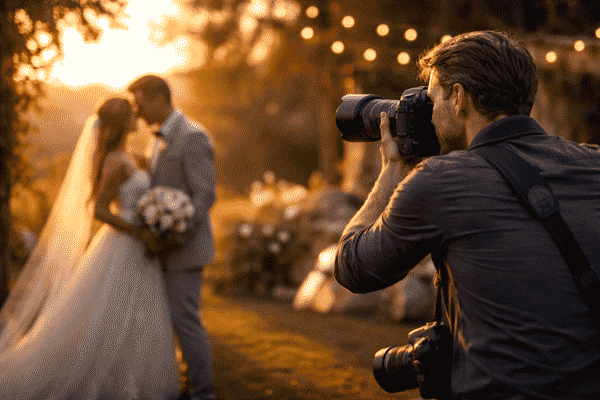 |
| Photographer capturing a wedding or corporate event |
|
Challenges in Event Photography
Despite its creative appeal, event photography comes with significant challenges. One of the biggest difficulties is working in unpredictable environments. Lighting conditions may be poor, spaces crowded, and schedules constantly changing. Photographers must adapt quickly and deliver consistent results under pressure.
Time management is another major issue. Events often require long hours of shooting, followed by extensive editing and file organization. Meeting tight deadlines while maintaining quality can be stressful, especially during peak seasons.
Client expectations can also be demanding. Some clients expect perfect coverage of every moment, instant delivery, or extensive retouching without understanding the time involved. Clear communication and well-defined contracts are essential to avoid misunderstandings.
Risks and Business Considerations
Event photography involves both financial and operational risks. Equipment failure during an important event can damage a photographer’s reputation, so backup cameras and storage solutions are essential. Data loss is another risk, making immediate backups a standard practice.
Income instability is common, especially for freelancers. Event demand may fluctuate depending on the season, economic conditions, or industry trends. Many photographers diversify their services by offering portraits, commercial work, or content creation to maintain steady income.
Legal protection is also important. Contracts should clearly outline deliverables, timelines, usage rights, and payment terms. Liability insurance can protect photographers in case of accidents or property damage during events.
Wrap up
Event photography combines creativity, technical skill, and business strategy. From its origins in formal historical documentation to its modern role in digital marketing and social storytelling, the profession has evolved significantly. Today’s event photographers are not only image creators but also content providers, brand partners, and visual storytellers.
For those willing to invest time in learning, building experience, and adapting to new technologies, event photography offers strong career potential. The demand for authentic visual content continues to grow, and professionals who can deliver quality, speed, and reliability will remain in high demand.
However, success in this field requires resilience. Long hours, high expectations, and financial uncertainty are part of the profession. Those who combine passion with professionalism, strong communication skills, and smart business practices can build a rewarding and sustainable career.
|