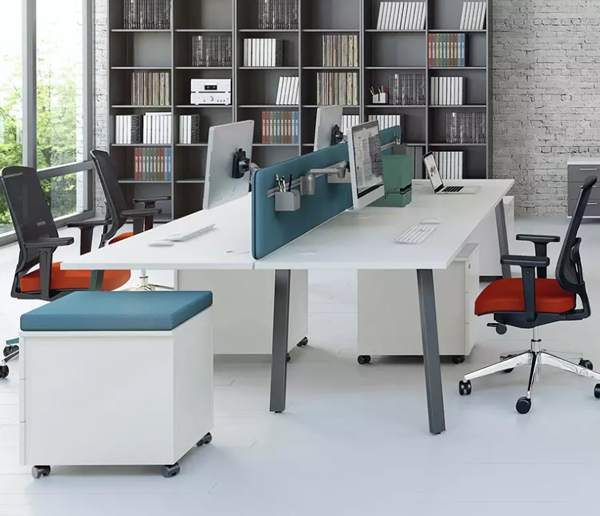
The Evolution of Modern Office Furniture in Hybrid Workspaces
|
Article Intro
The shift to hybrid work has fundamentally transformed the office furniture industry, driving demand for flexible, modular systems that replace traditional fixed workstations. Modern workplaces now prioritize adaptability, ergonomics, and collaboration, requiring furniture that supports diverse activities from focused individual work to team brainstorming. Manufacturers are responding with height-adjustable desks, mobile storage, and technology-integrated solutions that accommodate both in-office and remote employees. This evolution emphasizes employee well-being through ergonomic design and sustainable practices using recyclable materials. As organizations reconfigure spaces for hybrid models, furniture providers develop customizable systems that enable rapid layout changes, cost efficiency, and support for digital workflows, positioning adaptability as the central principle shaping the future of office environments.
|
Hybrid Work Is Reshaping the Office Furniture Industry
Hybrid work has significantly changed how organizations design their work environments. Instead of fixed desk layouts, companies now seek flexible office furniture systems that support both in-office and remote collaboration.
Many workspaces combine open areas, quiet zones, and shared meeting spaces. This shift has influenced how manufacturers develop modern office desks, ergonomic chairs, and modular workspace solutions.
Industry observers often analyze how furniture providers respond to these structural changes. For example, companies like Steelcase and Herman Miller have invested heavily in research around workplace behavior.
Their studies show that hybrid teams need adaptable environments rather than static desk rows. As a result, the modern office now prioritizes mobility, ergonomics, and collaboration.
The hybrid model also encourages companies to rethink how space is used. Offices are no longer simply places to sit and work. They have become environments designed for meetings, brainstorming sessions, and team interaction.
From Fixed Workstations to Modular Office Systems
Traditional offices once relied on permanent workstations and cubicle layouts. In contrast, modern workplaces increasingly adopt modular office furniture systems. These systems allow companies to adjust layouts as teams grow or change. Desks can be rearranged. Meeting areas can be expanded or reduced. Storage solutions can be relocated easily.
Modular design also supports long-term cost efficiency. Instead of replacing entire furniture setups, companies can reconfigure existing components. This approach is common in coworking spaces, innovation hubs, and technology firms where teams frequently reorganize.
Furniture manufacturers now design workstation systems, collaborative tables, and mobile storage units with flexibility in mind. The goal is to support multiple work styles within a single environment. Employees may focus individually, collaborate in groups, or join virtual meetings during the same day.
Ergonomic Design and Employee Well-Being
Employee well-being has become a major factor in workplace design. Many organizations now recognize that poorly designed furniture can affect productivity and health. As a result, ergonomic products such as adjustable office chairs, height-adjustable desks, and sit-stand workstations have become standard in modern offices.
Research in workplace ergonomics highlights the importance of movement throughout the workday. Employees benefit from the ability to alternate between sitting and standing positions. Adjustable furniture allows individuals to adapt their workspace to their physical needs.
Design-focused brands such as Knoll have long emphasized ergonomic design principles. Their approach reflects a broader trend within the industry. Manufacturers increasingly combine engineering, design, and health research to create furniture that supports long working hours without discomfort.
This focus on ergonomics is especially relevant in hybrid work environments, where employees may spend time working from home and at the office.
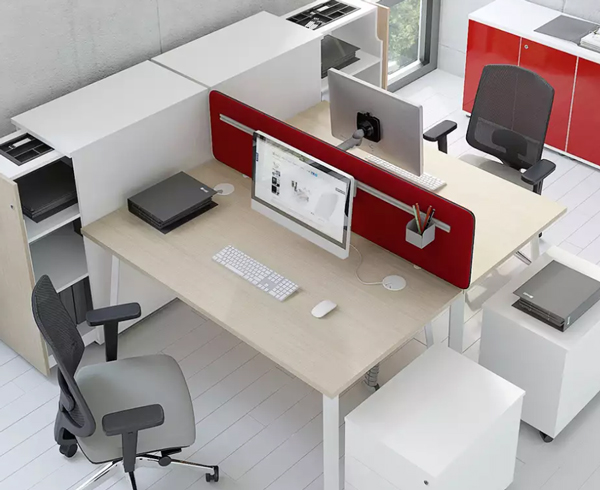 |
| Soft and functional colors |
|
Collaborative Spaces and New Office Applications
Hybrid work has also transformed how companies use office space. Instead of allocating desks to every employee, many organizations create collaboration zones, meeting pods, and project rooms. These spaces are designed for teamwork rather than individual work.
Furniture products such as conference tables, modular seating, and acoustic meeting booths help support these collaborative environments. Acoustic solutions are particularly important in open offices where noise control affects productivity.
Global manufacturers like Haworth have explored workspace concepts that combine privacy with collaboration. Their research suggests that flexible furniture arrangements help teams adapt quickly to different tasks.
Applications of modern office furniture now extend beyond traditional corporate offices. Universities, design studios, and technology startups all rely on adaptable workspace systems. Each environment requires furniture that supports communication, creativity, and focus.
Sustainability and Material Innovation
Sustainability has become a major consideration in the office furniture industry. Many organizations now evaluate furniture suppliers based on environmental impact, material sourcing, and product lifecycle.
Manufacturers increasingly use recyclable materials, low-emission finishes, and sustainable wood sources. Some companies design furniture components that can be disassembled and reused. This approach reduces waste and extends product life.
Sustainable design also aligns with corporate environmental policies. Large companies often include sustainability criteria in procurement decisions. As a result, furniture manufacturers must demonstrate responsible production practices.
Innovation in materials continues to play a key role. Lightweight metals, engineered wood panels, and recyclable plastics allow designers to create durable products while minimizing environmental impact.
Technology Integration in Modern Office Furniture
Modern offices increasingly integrate technology into furniture design. Workstations now include built-in power outlets, USB charging ports, and cable management systems. These features support the growing number of digital devices used in daily work.
Conference tables often include embedded connectivity solutions for video meetings and screen sharing. With remote participants joining meetings regularly, these features have become essential.
Technology integration also influences furniture layout. Desks must support monitors, laptops, and collaborative tools without clutter. Storage units must accommodate equipment and accessories used in digital workflows.
These technological changes illustrate how furniture design evolves alongside workplace technology.
Customization and Flexible Workspace Design
As companies adapt to hybrid work, customization has become increasingly important. Businesses often seek furniture solutions tailored to their specific workflow, office size, and team structure.
Custom office furniture can include adjustable desk dimensions, specialized storage systems, and unique collaborative furniture layouts. This level of customization allows organizations to design spaces that reflect their operational needs.
Furniture suppliers and workspace planners often collaborate during the design phase. Architects, interior designers, and facility managers work together to determine how furniture supports employee movement and communication.
In discussions about adaptable workspace design, company like Oakland Furniture is sometimes referenced as an example of companies that provide customized office furniture solutions for different work environments. These solutions may include adjustable desks, modular workstation systems, and collaborative furniture designed for flexible layouts.
The Future of Office Furniture in Hybrid Workplaces
The evolution of hybrid work continues to influence office furniture design. Organizations increasingly prioritize flexibility, ergonomics, and collaboration when planning workspaces. Furniture systems must support employees who move between home offices and corporate environments.
Industry trends suggest that future office furniture will become even more adaptable. Modular systems, technology integration, and sustainable materials will likely remain central design priorities. Manufacturers will also continue researching how physical environments influence productivity and well-being.
As workplaces evolve, furniture providers must respond to changing expectations. Companies across the industry—from established global brands to specialized manufacturers such as Steelcase, Oakland Furniture, Knoll, play a role in shaping how modern offices function in the hybrid era.
|
|
| | |